Flexible Cystoscopies
Information about Flexible Cystoscopies
Flexible Cystoscopy
What is a Flexible Cystoscopy?
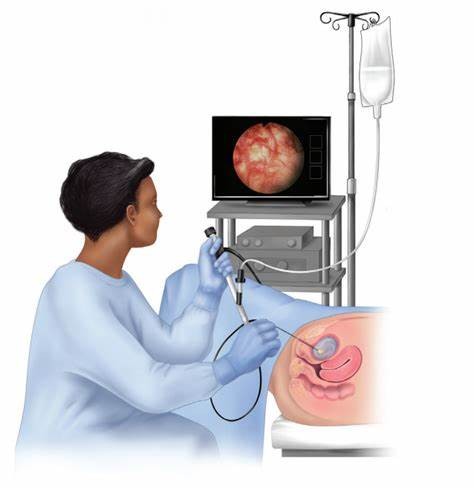
A flexible cystoscopy is a procedure that involves passing a small fine camera called a cystoscope, along the urethra (the tube that lets urine leave your body) to the bladder. The flexible cystoscope is attached to a screen enabling the clinician to see inside your bladder. Before you have this investigation, the clinician will obtain your consent.
What preparation is required?
You will need to bring a urine sample with you to your appointment. This sample needs to be produced on the day of your appointment. You can ask for a urine sample bottle from your own GP surgery, if needed. We are unable to carry out the flexible cystoscopy procedure if you have an active urine infection.
What happens at the examination?
You will be asked to undress from the waist down and lie on a couch. Your genital area will be cleaned with a mild disinfectant.
A lubricant gel is applied to the cystoscope which allows it to pass into the bladder more easily. The cystoscope passes along the urethra into the bladder. Only the tip of the cystoscope is passed into your bladder. You may experience some discomfort but the procedure itself only lasts a few minutes. A Healthcare Assistant will be present as a chaperone.
There are folds in the lining of the bladder, saline (sterile saltwater) is run into the bladder through the cystoscope to stretch the folds. This allows the clinician to see the lining better. It may cause the feeling of a full bladder or wanting to pass urine, which is a normal sensation. If at any point you feel too uncomfortable, please tell the clinician immediately.
Once the procedure is completed, you will be asked to empty your bladder.
What happens after the flexible cystoscopy?
You may see blood in your urine for a couple of days – please do not be alarmed, this is not unusual. You may also experience mild burning whilst urinating and some increased frequency in passing water may occur, but this usually subsides within 48 hours. We advise drinking plenty of water following the procedure. If you do have difficulty or discomfort in passing urine or if you develop the symptoms of a fever (shivering, sweating or feeling cold), contact your GP immediately.